


Learn about discrimination in employment.
Youth rights
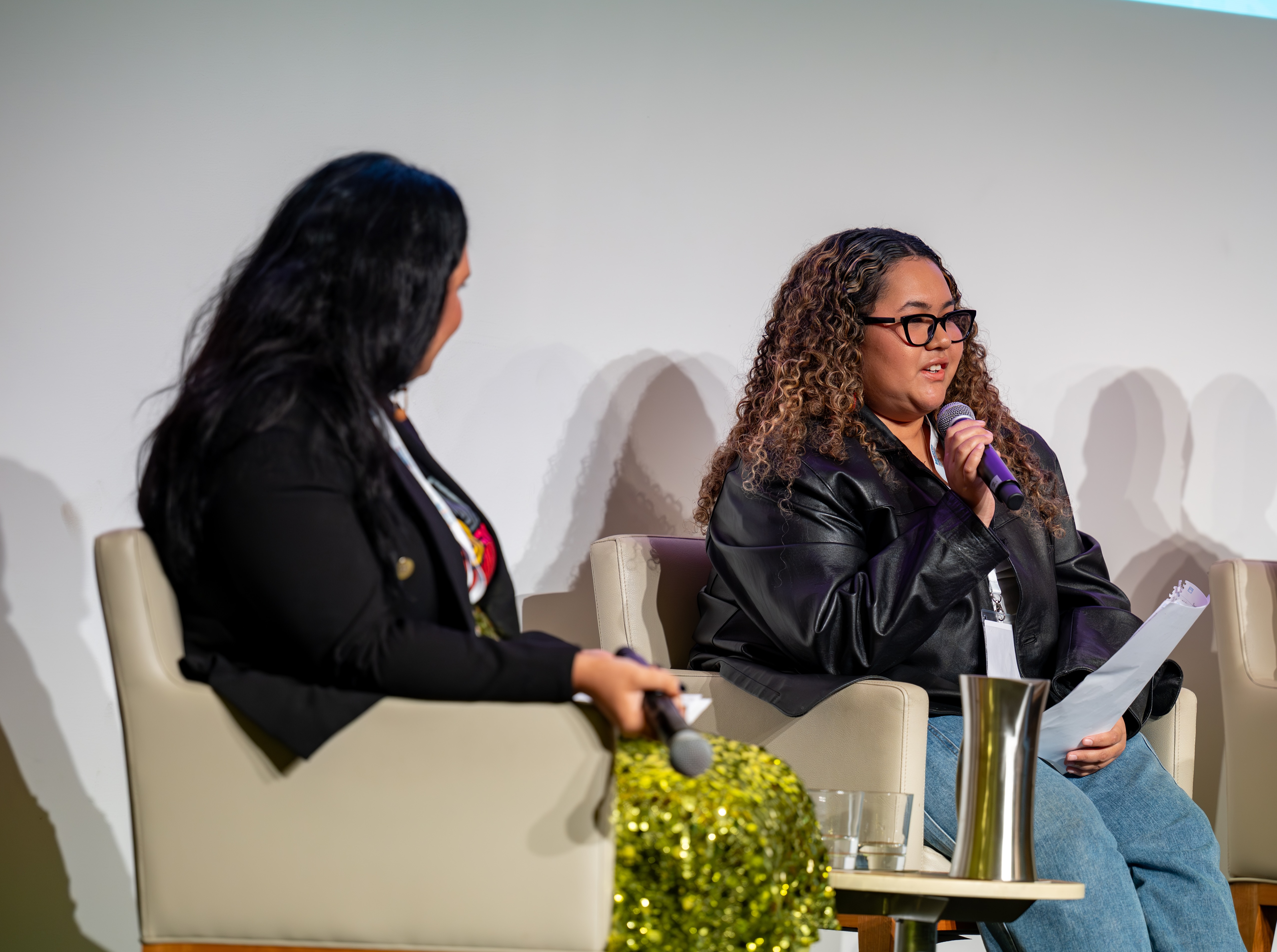
Young people have rights in education, work, housing, goods and services, healthcare, sport, detention and online. Learn how we can support you if you have experienced discrimination.
Work
You have a right to protection from discrimination, including at work.
While you are at work, you must not be treated unfairly because of your age, race, gender, disability or any other protected attribute.
Example of age discrimination at work
During an interview, a manager tells a younger applicant ‘We're looking for someone more seasoned to fit in with our older team’
Housing
You must not be treated unfairly because of your age or any other protected attribute when you are renting, applying for housing, or using short-term accommodation.
Example of age discrimination in housing
A university student is told that they can’t rent a unit because ‘young people always wreck them’.
Learn more about age discrimination.
If a public entity (e.g., a government department) makes a decision that interferes with your housing, this may limit your human rights.
For example: a decision to remove a homeless person from a public space without providing alternative short-term accommodation may limit the right freedom from cruel, inhuman or degrading treatment.
If you believe you have experienced discrimination or your human rights have been limited you can make a complaint to the Commission.
Goods and services
You must not be treated unfairly because of your age when accessing good or services. This includes:
- shops
- restaurants
- public transport.
Healthcare
You have the right to access to healthcare.
Healthcare providers must treat you fairly, regardless of your age or any other protected attribute.
Learn more about the right to access healthcare.
Protections for children
As a child you are entitled to special protection. This means, when adults make decisions about you, they should think about how the decision will affect you and they should only do things that are best for you. They should take your views into account.
Find out about children’s right to protection.
Online safety
People must not treat you unfairly on the basis of your age, gender identity, sexuality, race, religion or any other protected characteristic while you’re online.
Learn more about discrimination.
If someone incites hatred towards you or severely ridicules you because of your race, religion, sexuality, sex characteristics or gender identity online, this is vilification and it is against the law.
If someone threatens you with violence or encourages others to threaten you, this is a crime and you can report it to the police.
Learn more about vilification.
You have a right to privacy and to freedom of expression. This means you have the right to hold opinions and share them, including when you are online. However, you cannot share an opinion which is hateful or violent. Your personal information must not be misused.
Learn more about your rights.
You have the right to protection from sexual harassment, which can happen everywhere. Sexual harassment can happen once or over many times.
Learn more about sexual harassment.
Sport
If you are under the age of 12, schools and sporting clubs are not allowed to exclude you because of your sex, gender identity, race, religion, sex characteristics or any other protected characteristic.
If you are over the age of 12, schools and sporting clubs can exclude you from sports by saying:
- only males or females, or those with a certain gender identity can participate if this is reasonable having regard to strength, stamina, or physical requirements of the sport
- only those who can effectively compete can participate
- only a specified age or age group can participate
- only those with a specific or general disability (impairment) can participate
However, you cannot be excluded because of any other protected attribute (e.g., your race, religion, or sex characteristics).
Example: A school runs a tennis competition for students over the age of 12 who use a wheelchair. Students who do not use a wheelchair cannot participate. This is allowed.
Read about discrimination in sport.
Youth detention
Young people in detention have human rights. They must not be treated unfairly because of their race, age, disability, sexuality, religion or other personal characteristics. This is called discrimination. Also, children in youth detention must not be subjected to vilification, victimisation or sexual harassment.
Learn more about protections available if you’re in youth detention
Support for vulnerable children and young people
Some children and young people may face additional challenges and discrimination. Here are some specific protections and resources:
Aboriginal and Torres Strait Islander children and young people
Learn about your rights and protections under the law, including cultural rights and protections against race discrimination.
- Learn about race discrimination
- Rights for Aboriginal and Torres Strait Islander people
- Human rights protections
- Human rights and discrimination: A guide for mob
LGBTQIA+ children and young people
You are protected from discrimination based on your sexual orientation, gender identity, or sex characteristics (including if you have variations of sex characteristics).
Learn about LGBTQIA+ rights.
Young people and children with disabilities
Schools, workplaces, accommodation providers and providers of goods and services must provide special services or facilities (often called ‘reasonable accommodations’ or ‘reasonable adjustments’) to assist children and young people with disabilities (impairments) to access opportunities, unless doing so would impose an ‘unjustifiable hardship’.
Examples include:
- modifying a work station
- adjusting tasks or hours
- offering information in accessible formats
- providing communication support
- allowing extra time to complete forms or assessments.
Whether supplying special services or facilities would cause unjustifiable hardship depends on:
- the nature of the special service or facility
- the cost of providing it
- the financial circumstances of the provider
- any disruption that might be caused
- the numbers of people benefited or disadvantaged, and the nature of the benefit or detriment.
Learn about disability (impairment) discrimination.
How to stand up for your rights
If you believe you have been discriminated against because of your age or another attribute, or if you believe a public entity has limited your human rights you can make a complaint to us.
Contact us
If you have questions about your rights or need information about making a complaint, please contact us.
Support services
For additional support, you can contact a community legal centre.